Posted on Leave a comment

Autumn in the kitchen

Autumn in the kitchen

The first Musquée pumpkins came down from the Roussel farm on Tuesday, which means two things in the kitchen: the beef recipe goes back to fresh pumpkin after a summer on cured, and the turkey recipe gets its cranberries.

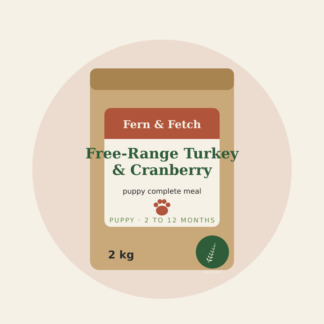
Free-Range Turkey & Cranberry is our puppy food, and it is the one recipe whose ingredients all arrive in the same six weeks. Turkeys from Manou in Sarlat are ready from mid-September; the cranberries come frozen from the cooperative in the Landes in early October. We cook the year’s turkey batches through October and November and freeze nothing else, which is why the drying room runs seven days a week until Christmas.

What else is happening

  • The waiting list for pre-orders has passed four hundred names. The founders’ discount still applies to the first hundred orders.
  • Inès has finished the new sweet potato chews: thicker slices, dried a little longer, for the dogs that finished the old ones in ten seconds.
  • Kitchen tours resume on the first Saturday of October at 11:00. Bring the dog.
Posted on Leave a comment

What “organic” really means on a dog food label

What "organic" really means on a dog food label

“Natural”, “wholesome”, “made with real chicken”: none of these words mean anything in particular on a pet food bag. “Organic” is different, because it is a legal term with an inspector attached to it. Here is what it does and does not promise.

What the leaf logo guarantees

Under EU regulation 2018/848, a product carrying the green leaf must be at least 95 % organic ingredients by weight. Organic meat comes from animals raised on organic feed, with access to the outdoors and without routine antibiotics. Organic vegetables are grown without synthetic pesticides or fertilisers. Every operator in the chain, from the farm to our drying room, is inspected at least once a year, and the certificate number must appear on the label. Ours is FR-BIO-01-24-1177.

What it does not guarantee

Organic says nothing about how the food was cooked, how much of the protein comes from meat rather than pulses, or whether the bag has been sitting in a warehouse for a year. An organic kibble can still be extruded at 130 °C from organic corn. That is why we publish the sourcing table and the cooking process on the ingredients page rather than leaning on the logo.

“Made with organic ingredients”

Watch this one. It is allowed when only some ingredients are organic, and the leaf logo may not be used. If a bag says “made with” rather than showing the leaf, the rest of the recipe is conventional.

Posted on Leave a comment

Switching food without an upset stomach

Switching food without an upset stomach

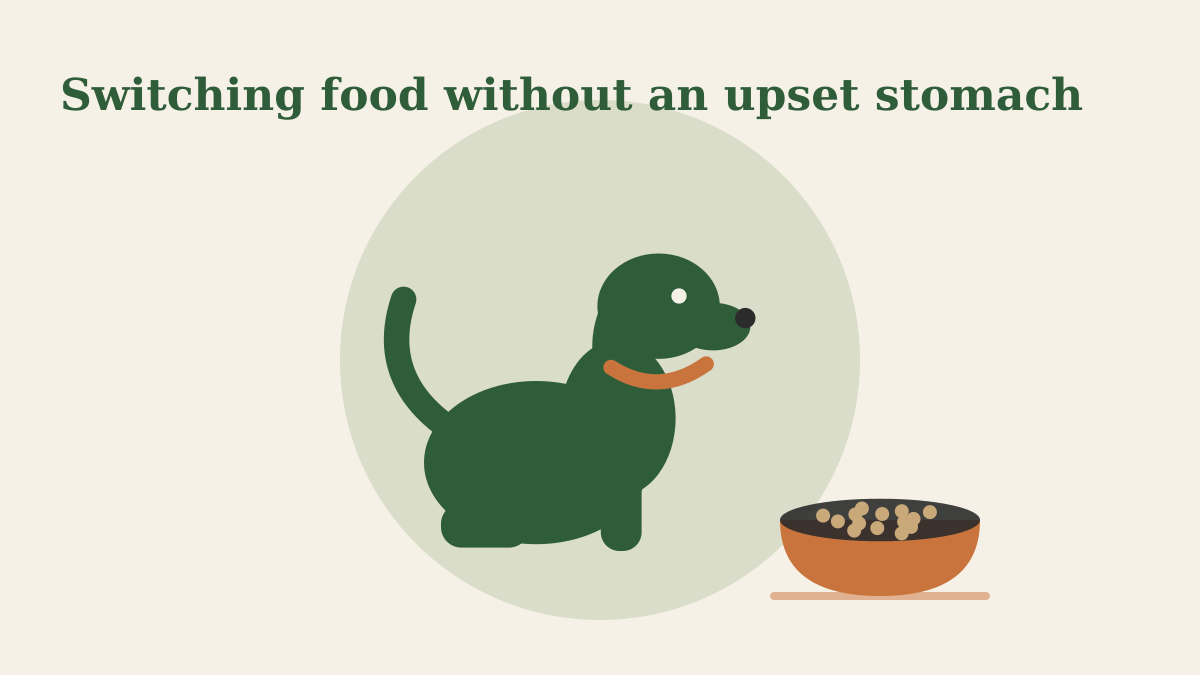
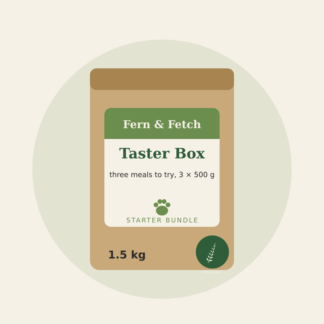
Dogs are creatures of habit and so are their gut bacteria. Switch a food overnight and you will often get two or three days of loose stools, which people then blame on the new food. Give the gut a week and the same food is fine. Here is the routine we suggest to everyone who tries the Taster Box.

The seven-day plan

DaysOld foodFern & Fetch
1 and 275 %25 %
3 and 450 %50 %
5 and 625 %75 %
7none100 %

Weigh both foods rather than measuring by the cup: ours is denser, so a cup of it is more food than a cup of extruded kibble. Use the feeding guide for the target amount and split the difference during the transition.

Three things that help

  • A tablespoon of plain cooked pumpkin on days three and four, if stools are soft.
  • No treats or table scraps during the week, so you can read what the food is doing.
  • Water, always, and a little more than usual: dried food rehydrates in the stomach.

If loose stools last beyond day ten, or your dog vomits, stop and talk to your vet. It is rare, but it can point to a sensitivity to the protein in that recipe, in which case the next one in the Taster Box is the thing to try.

Posted on Leave a comment

Meet the farm: the Roussel pumpkins

Meet the farm: the Roussel pumpkins

Twenty-one kilometres from the kitchen, on the plateau above Rouffignac, the Roussel family grows the sweet potatoes, pumpkins and carrots that go into every adult recipe. Marie-Claude and her son Antoine converted the farm to organic in 2012, four years before anyone in our kitchen had thought about dog food.

We buy about nine tonnes of vegetables a year from them, which makes us their third-largest customer after two school canteens. It also makes us the only customer who asks for the ugly ones: forked carrots and pumpkins with a soft spot cook down the same as pretty ones, and it keeps them out of the compost.

Why pumpkin

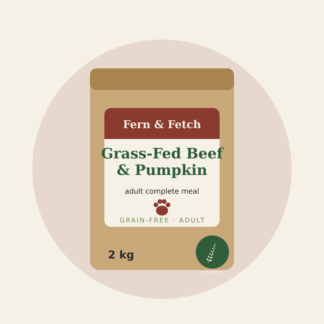
Pumpkin is one of the few vegetables that does two jobs at once in a dog’s diet: soluble fibre that steadies digestion, and a gentle source of slow carbohydrate that lets us leave grain out of the beef recipe without leaning on pea protein. Antoine grows the Musquée de Provence variety, which is denser and sweeter than the Halloween kind.

Harvest runs from late September to the end of October. We cook fresh through the autumn and store the rest cured, in the barn, which is why the pumpkin recipe is a little oranger this time of year.

Posted on Leave a comment

Why we cook low and slow

Why we cook low and slow

Most dry dog food is extruded: a dough of meals and starches is forced through a die at high pressure and around 130 °C, puffed, dried, and then sprayed with fat and a “palatant” so that dogs will eat it. It is efficient. It is also why so much kibble looks and smells the same whatever the bag says.

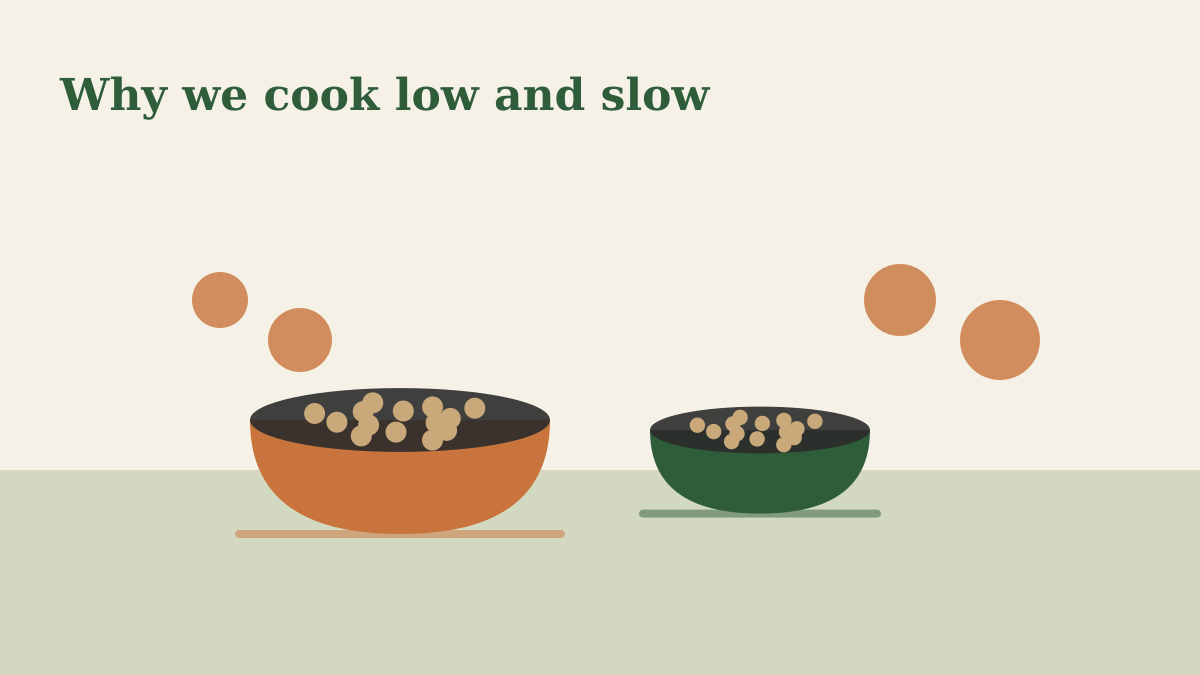
We do something closer to what Tomas did in restaurant kitchens for fifteen years. Fresh meat and vegetables go into a steam kettle at 85 °C for an hour and a half. That is hot enough to make the food safe and digestible, and cool enough that the amino acids in the meat stay intact and the vegetables keep their colour.

Then we wait

The cooked mix is pressed into small pieces and moved to the drying room, where it spends eighteen hours at 55 °C. Slow drying is what lets us skip preservatives: at 10 % moisture the food keeps for nine months with nothing added but mixed tocopherols from sunflower.

It also explains the price. A 40 kg batch occupies the kettle for a morning and the drying room for a day. An extruder makes that much in about four minutes.

What you notice

Open a bag of Grass-Fed Beef & Pumpkin and it smells of beef and pumpkin. The pieces are not uniform. Some dogs, used to sprayed-on flavour, take a day or two to decide it is food. Then, in our experience and in the words of the customers who write to us, they decide rather firmly that it is.